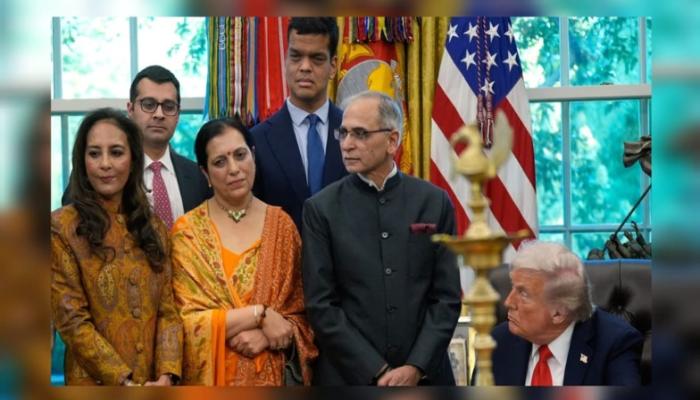

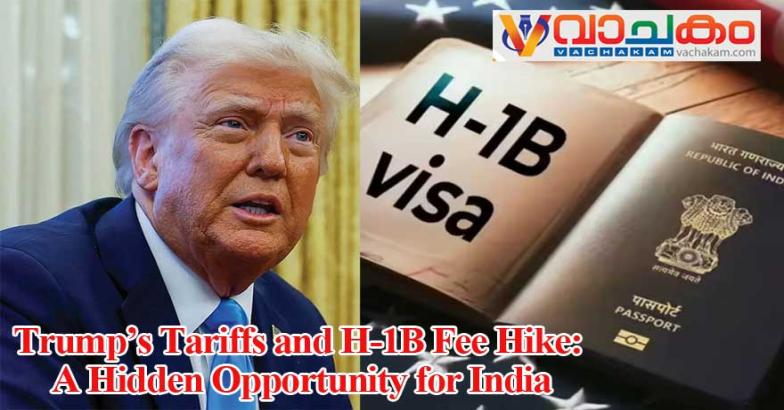
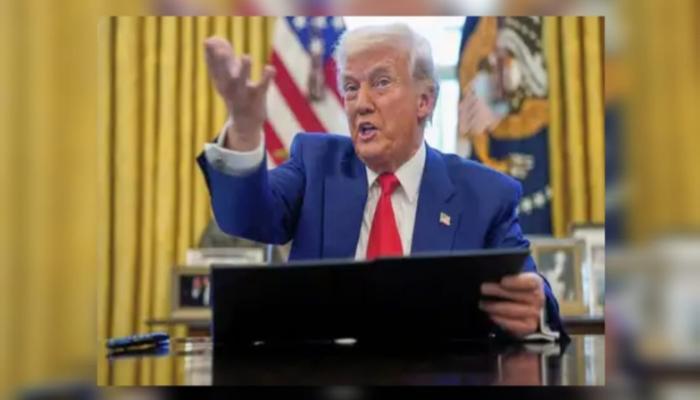
The recent tariff shock and steep H-1B fee hike announced by former US President Donald Trump have been portrayed as a major setback for India. With punitive tariffs of up to 50% on Indian exports and a staggering $100,000 fee for new H-1B visas, many believe Washington is trying to squeeze India’s economy and restrict its talent mobility.
But history has shown that shocks often create new strengths. Just as COVID-19 forced India to accelerate digital adoption and new business models, this moment could become a turning point for India’s next economic leap.
The Challenges



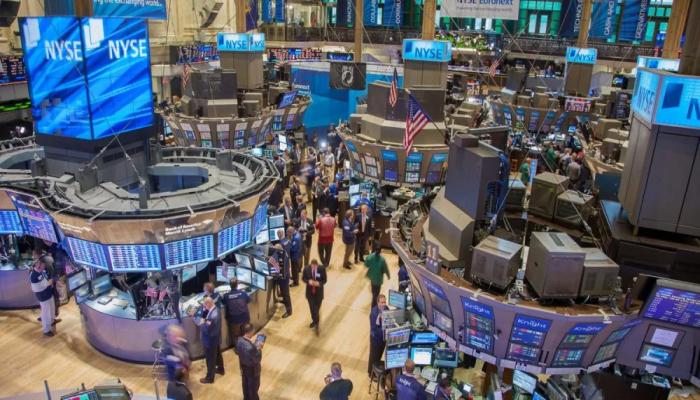
Export Pain: Indian exporters, especially in gems, textiles, and furniture, will feel the immediate pinch of higher US tariffs.
Talent Block: The H-1B fee hike makes the traditional path of programmers moving to the US far less viable.
The Hidden Benefits
1. Brain Drain Becomes Brain Gain: With H-1B pathways narrowed, skilled Indians may stay home, enriching India’s local startup, AI, and R&D ecosystems.À



2. From Code to Concepts: AI is already automating much of routine programming. India can pivot from being the “coding factory of the world” to becoming a hub for concepts, design, and IP creation.
3. New Export Horizosn: Diversifying to Europe, the Middle East, Latin America, and ASEAN markets reduces dependence on a single customer and spreads risk.
4. Domestic Strength: Rising import barriers may boost demand for Indian-made products and accelerate “Make in India” efforts.



5. Remote Work Advantage: Global firms reluctant to pay the H-1B premium may instead work with Indian professionals remotely, keeping talent and dollars inside India.
6. AI & Automation Leapfrog: The push away from low-cost labor models can accelerate India’s adoption of AI, automation, and high-tech solutions—exactly where the world is headed.
7. Policy & Reform Acceleration: Tariff shocks often trigger domestic reforms. This could push India to streamline regulations, cut red tape, and create an even more startup-friendly environment.
The Long-Term Strategy for India
To turn this disruption into a genuine transformation, India must act with clarity and urgency:
1. Invest in Innovation Hubs – Build AI & Tech zones with global-standard infrastructure, tax breaks, and VC access.
2. Reimagine Education – Move from mass coding to concept creation, AI design, and interdisciplinary skills.
3. Boost Domestic Manufacturing – Strengthen electronics, semiconductors, green energy tech, and defense supply chains.
4. Diversify Trade Deals – Secure agreements with EU, Middle East, ASEAN to offset US pressure.
5. Promote Remote-First India – Position India as the world’s remote office capital with strong cloud and data laws.
6. Empower Startups – Provide easier financing, regulatory relief, and global market access for innovation.
7. Talent Retention & Return – Incentivize global Indian talent to stay or return with startup capital and special visas.
The Bigger Picture
Tariffs and visa fees are meant to weaken India’s advantage—but in the long run, they may do the opposite. By keeping talent at home, strengthening local ecosystems, and pushing India to innovate at the frontier of AI and digital, this moment could be a disguised blessing.
If India responds not with panic but with vision, investment, and reform, today’s challenge could become tomorrow’s competitive edge—reshaping India’s role in the global economy.
Ranjit Pillai
വാചകം ന്യൂസ് വാട്ട്സ് ആപ്പ് ഗ്രൂപ്പിൽ പങ്കാളിയാകുവാൻ
ഇവിടെ ക്ലിക്ക് ചെയ്യുക
.
വാട്സ്ആപ്പ്:ചാനലിൽ അംഗമാകാൻ ഇവിടെ ക്ലിക്ക് ചെയ്യുക .
ഫേസ്ബുക് പേജ് ലൈക്ക് ചെയ്യാൻ ഈ ലിങ്കിൽ (https://www.facebook.com/vachakam/) ക്ലിക്ക് ചെയ്യുക.
യൂട്യൂബ് ചാനൽ:വാചകം ന്യൂസ്






 അമേരിക്ക-ഇറാൻ വെടിനിർത്തൽ നിലവിൽ വന്നു, എങ്കിലും പ്രധാന തർക്കങ്ങളിൽ തീരുമാനമാകാത്തത് ആശങ്കയാകുന്നു
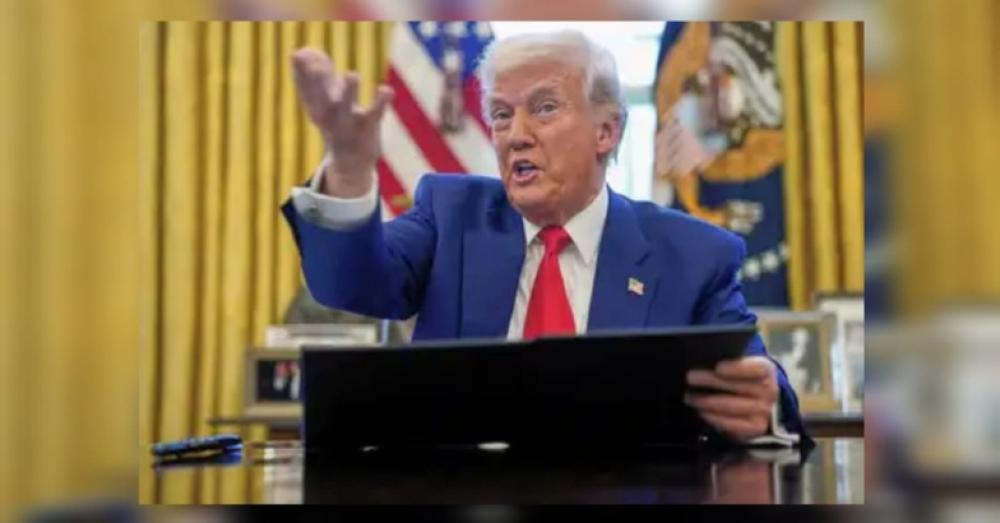 ആയുധം നൽകിയാൽ പണികിട്ടും; ഇറാന് ആയുധം നൽകുന്ന രാജ്യങ്ങൾക്ക് 50 ശതമാനം നികുതി
-20260408115703.jpg) ലോകം ഉറ്റുനോക്കിയ ചുവടുമാറ്റം; ഇറാനുമായി സഹകരിച്ച് പ്രവർത്തിക്കാൻ തയ്യാറെന്ന് അമേരിക്കൻ പ്രസിഡന്റ് ഡൊണാൾഡ്
ലോകം ഉറ്റുനോക്കിയ ചുവടുമാറ്റം; ഇറാനുമായി സഹകരിച്ച് പ്രവർത്തിക്കാൻ തയ്യാറെന്ന് അമേരിക്കൻ പ്രസിഡന്റ് ഡൊണാൾഡ്
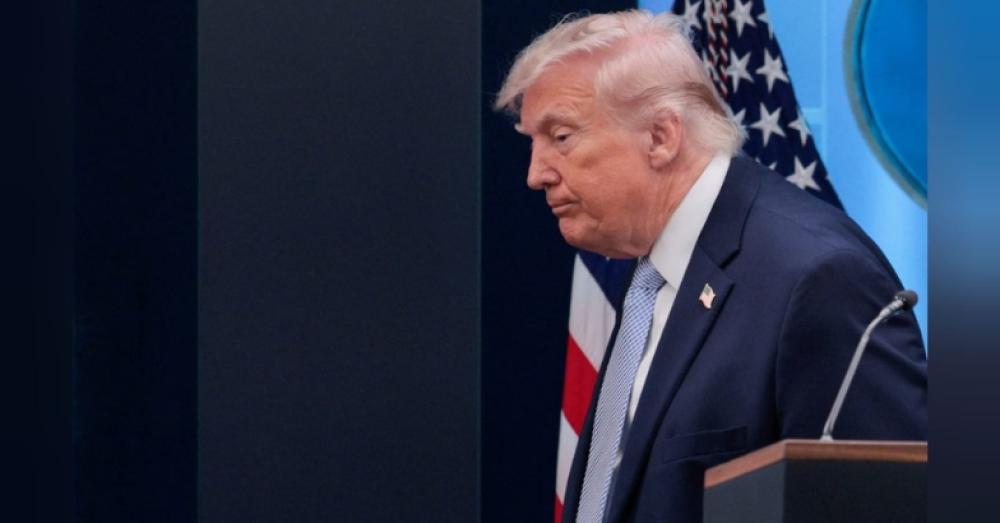 ലോകം ഉറ്റുനോക്കിയ ചുവടുമാറ്റം; ഇറാനുമായി സഹകരിച്ച് പ്രവർത്തിക്കാൻ തയ്യാറെന്ന് അമേരിക്കൻ പ്രസിഡന്റ് ഡൊണാൾഡ്






















-20260408121153.jpg)
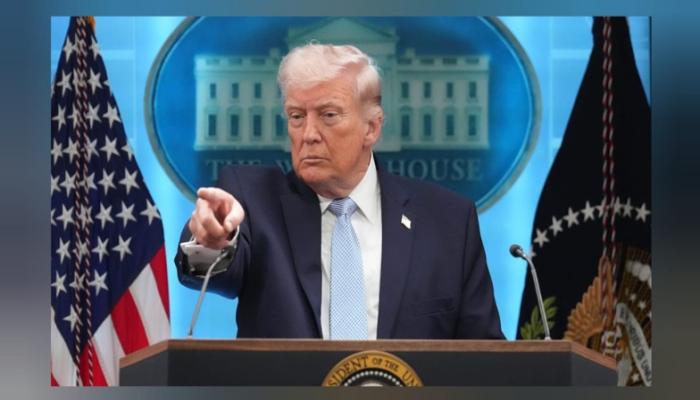

1-20260408120319.jpg)
-20260408115703.jpg)

-20260408103359.jpg)
-20260408103007.jpg)