


WASHINGTON, D.C. — Today, Rep. Grace Meng (NY-06), Chair of the Congressional Asian Pacific American Caucus (CAPAC), issued the following statement after the Supreme Court ruled 6 – 3 that the Trump administration’s sweeping tariffs imposed under the International Emergency Economic Powers Act (IEEPA) of 1977 are illegal:
“Today’s Supreme Court decision strikes down the president’s illegal tariff regime, but the damage is done. Trumps disastrous tariffs have caused irrevocable harm to over three million Asian American, Native Hawaiian, and Pacific Islander (AANHPI)-owned small businesses across the country, many of whom rely on imports of ethnic and cultural goods that cannot be produced domestically. These businesses have been forced to either raise prices or shut down altogether.
“President Trump promised the American people he would lower costs, not wage trade wars that make life more expensive and treat AANHPI-owned businesses as collateral damage. Congress must reclaim its constitutional authority to regulate trade so families and small businesses are not hurt by the President’s reckless decisions.”



BACKGROUND:
The Trump administration invoked emergency powers under the International Emergency Economic Powers Act of 1977 to impose sweeping tariffs on U.S. trading partners. No president had previously used the law to impose tariffs.
Today’s Supreme Court ruling strikes down these tariffs as unconstitutional, affirming lower federal court decisions that the President lacked the legal authority under the IEEPA to impose his so-called reciprocal tariffs.



Tariffs have failed to reduce U.S. imports, shrink the trade deficit, or increase American manufacturing jobs as President Trump promised. Overall imports of goods and services increased 4.7 percent to $4.3 trillion, the trade deficit in goods hit a record high, and the manufacturing industry lost 108,000 jobs in 2025.
U.S. firms and consumers bore the brunt—roughly 90 percent—of the economic burden of tariffs imposed last year. Sweeping taxes on imports have cost the average American household nearly $1,200 in 2025 and were estimated to cost between $1,600 and $2,000 this year.
Asian American, Native Hawaiian, and Pacific Islander-owned businesses represent 11 percent of all employer businesses, despite making up only 7 percent of the total U.S. population. Nearly 20 percent of all businesses in the restaurant and hospitality sector are Asian owned, with around three-quarters of all counties in the U.S. having at least one Asian restaurant. AANHPI-owned businesses also employ over 5 million Americans and generate more than a trillion dollars in sales.



Overall, Asian Americans, Native Hawaiians, and Pacific Islanders are pessimistic about the economy. Seventy-two percent of AANHPI adults mention at least one economic issue for the government to prioritize in 2026, and another 42 percent mention an issue related to personal finances. About half of AANHPI adults cite inflation or the cost of living as a key priority (49%), up from 37% last year and higher than the general public (33%). Overall, 6 in 10 think the national economy will get worse, while about a quarter say it will stay the same.
In 2025, CAPAC Chair Grace Meng hosted a press conference to highlight the devastating impacts of President Trump’s tariffs on Asian American businesses and communities across the country.
വാചകം ന്യൂസ് വാട്ട്സ് ആപ്പ് ഗ്രൂപ്പിൽ പങ്കാളിയാകുവാൻ
ഇവിടെ ക്ലിക്ക് ചെയ്യുക
.
വാട്സ്ആപ്പ്:ചാനലിൽ അംഗമാകാൻ ഇവിടെ ക്ലിക്ക് ചെയ്യുക .
ഫേസ്ബുക് പേജ് ലൈക്ക് ചെയ്യാൻ ഈ ലിങ്കിൽ (https://www.facebook.com/vachakam/) ക്ലിക്ക് ചെയ്യുക.
യൂട്യൂബ് ചാനൽ:വാചകം ന്യൂസ്






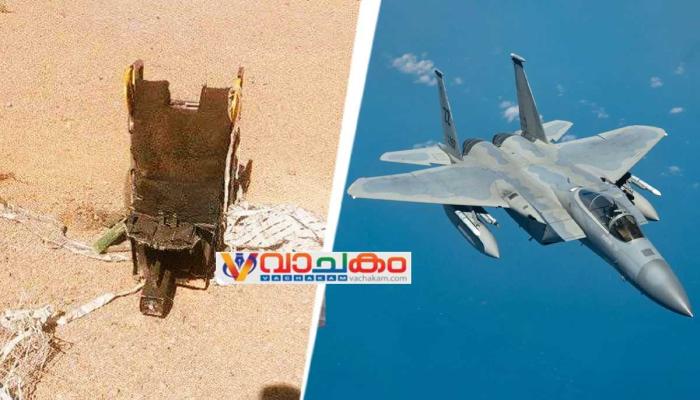
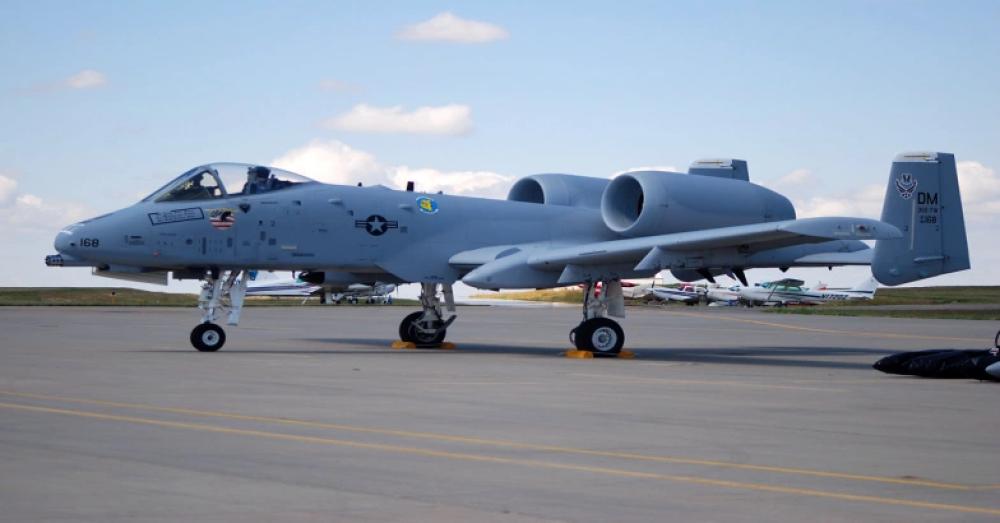 അമേരിക്കൻ പൈലറ്റിനെ രക്ഷിക്കാനുള്ള നീക്കം; യുഎസ് വിമാനങ്ങൾ തകർത്തതായി ഇറാൻ, മിഡിൽ ഈസ്റ്റിൽ
 ഓറിയോൺ പേടകത്തിൽ അജ്ഞാത ഗന്ധം: നാസ വിശദമായ പരിശോധന നടത്തുന്നു, സഞ്ചാരികൾ സുരക്ഷിതർ
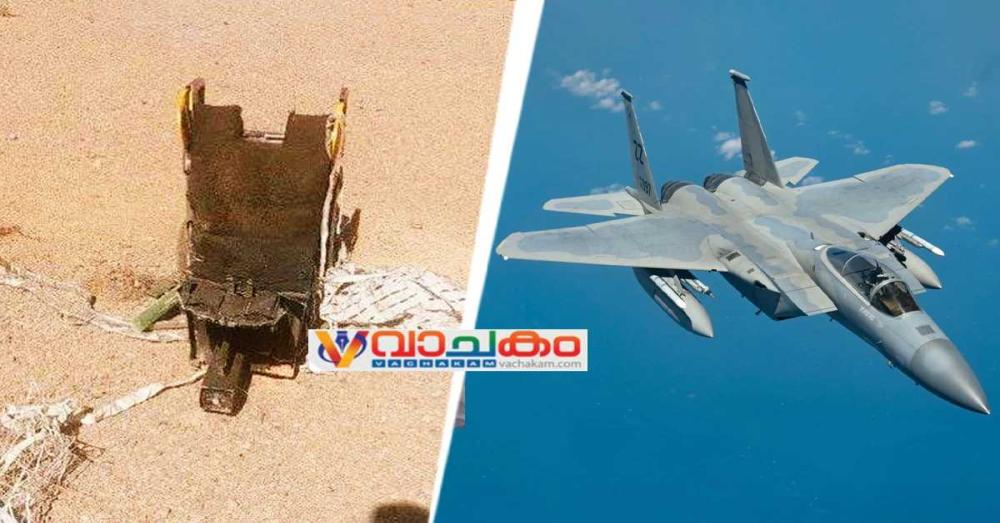 രണ്ടാമത്തെ പൈലറ്റും സുരക്ഷിതൻ; എഫ്-15ഇ പൈലറ്റിനെ രക്ഷപ്പെടുത്തിയെന്ന് യുഎസ് സൈന്യം
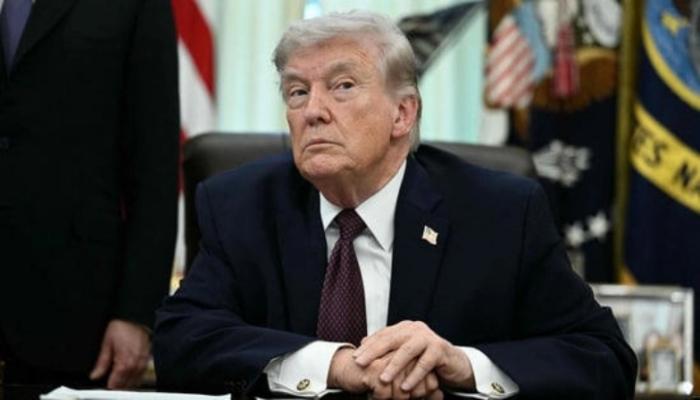
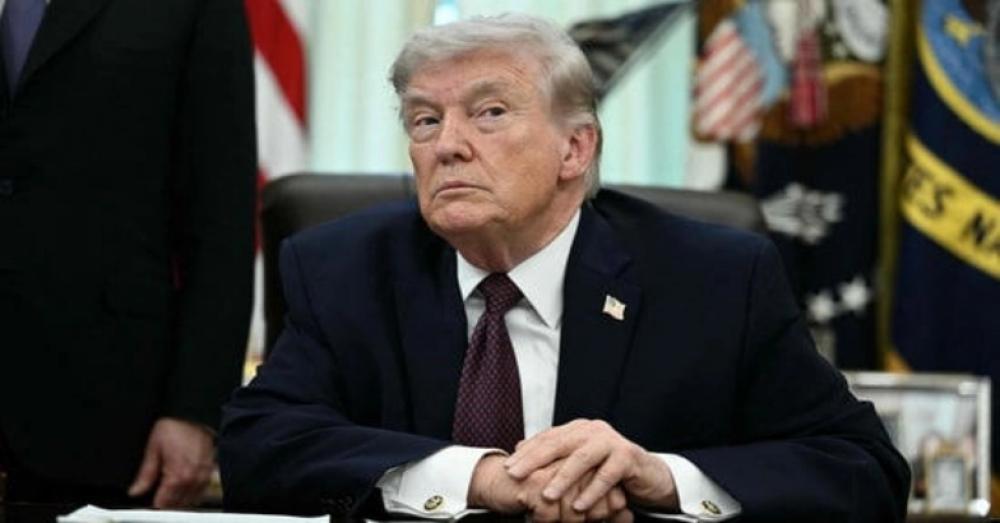 വൈറ്റ് ഹൗസിൽ ട്രംപ് തിരിച്ചെത്തിയോ? വെസ്റ്റ് വിംഗിൽ നിന്നുള്ള പുതിയ ദൃശ്യങ്ങൾ പുറത്ത്,






















1-20260405060400.jpg)




-6-20260113024611.webp)


-20201011060836.jpg)
-20201011062606.jpg)




-20201011062608.jpg)

-20260326060617.jpg)